Long Term Property Investment Dubai
Long Term Property Investment Dubai
Long Term Property Investment Dubai continues to attract buyers who want to build wealth through a stable, internationally connected real estate market. Dubai offers a combination of modern infrastructure, freehold ownership opportunities, a diverse resident population, strong lifestyle appeal, and a growing economy. These factors make the city an important destination for investors seeking property that can deliver long-term value, rental income, and capital appreciation.
Unlike short-term property decisions, long-term investing requires careful planning. Investors need to consider location, property type, future demand, ownership structure, quality of development, and the wider community around the property. A well-selected home can support personal use, family planning, rental income, or a long-term investment portfolio.
This guide explains the important factors behind Long Term Property Investment Dubai and how buyers can make informed decisions in a competitive property market.
Why Dubai Is Suitable for Long-Term Property Investment
Dubai has developed into a global business, tourism, and lifestyle hub. It attracts professionals, entrepreneurs, families, students, and international investors from around the world. This diversity creates ongoing housing demand across different property categories, including apartments, townhouses, villas, and branded residences.
The city also offers a well-developed transport network, premium healthcare facilities, international schools, retail destinations, beaches, leisure attractions, and business districts. These features make Dubai more than a temporary destination for many residents. For property investors, a strong lifestyle environment can contribute to sustained tenant demand and long-term buyer interest.
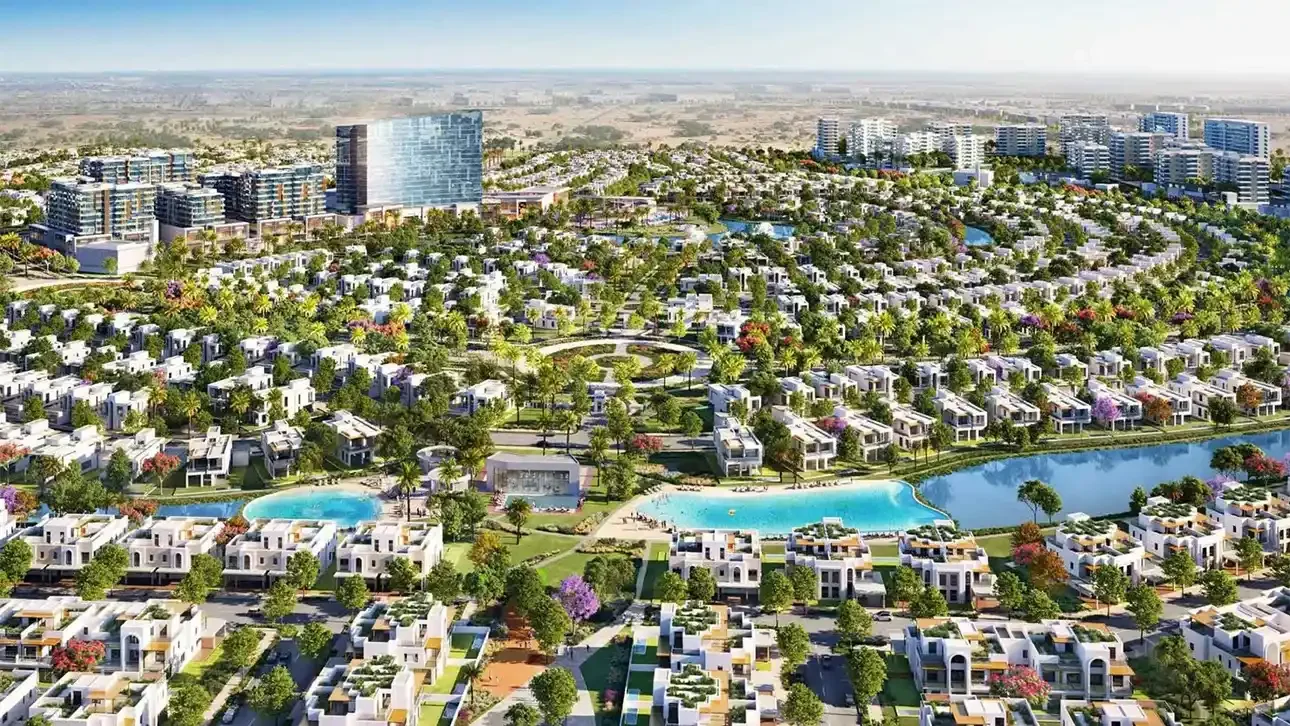
Dubai’s planned communities are another important advantage. Many residential areas include parks, walking paths, supermarkets, schools, gyms, swimming pools, community centres, and easy road access. These features can improve a property’s appeal to tenants and end users over time.
Freehold Ownership Opportunities
One of the main reasons international buyers consider Long Term Property Investment Dubai is the availability of freehold property in designated areas. Freehold ownership allows eligible buyers to own their property and, in many cases, benefit from the long-term potential of the asset.
Freehold communities have expanded across Dubai, offering a wide variety of choices. Buyers can select central urban apartments, waterfront residences, family-oriented townhouses, golf community homes, or luxury villas. This range allows investors to choose a property strategy that suits their goals.
A Diverse Tenant and Buyer Market
Dubai’s population includes working professionals, business owners, families, and international residents. Different groups look for different types of homes, creating demand across multiple communities.
For example, young professionals may prefer apartments close to business districts and transport links. Families may prioritise larger homes near schools, green spaces, and healthcare facilities. Investors should identify the likely tenant or future buyer before selecting a property. A property that clearly suits its target audience has stronger potential for long-term occupancy and market relevance.
Choosing the Right Location for Long-Term Growth
Location remains one of the most important considerations in any property decision. In Dubai, the right location should not be assessed only by current popularity. Investors should also consider accessibility, nearby infrastructure, future development plans, community amenities, and the likely demand profile over the coming years.
Established areas can provide confidence through mature infrastructure and a known market. Emerging communities may offer growth potential as new roads, retail centres, schools, and public spaces develop. Both options can suit a long-term strategy when chosen carefully.
Important Features to Assess in a Community
When evaluating a location for Long Term Property Investment Dubai, consider the following points:
- Access to major roads, metro stations, and public transport
- Nearby business districts and employment hubs
- Schools, nurseries, clinics, and hospitals
- Supermarkets, restaurants, shopping, and daily conveniences
- Parks, waterfront areas, fitness facilities, and leisure spaces
- Developer reputation and quality of completed projects
- Community maintenance and management standards
- Future infrastructure and nearby development activity
A well-connected area with practical daily amenities can remain attractive even as market conditions change. Properties in communities with strong liveability often appeal to both tenants and end users.
Selecting the Best Property Type
The best property type depends on the investor’s objective. Apartments may be suitable for those seeking a lower-maintenance asset with broad rental appeal. Townhouses can attract families looking for more space, private outdoor areas, and community living. Villas may appeal to buyers seeking privacy, larger layouts, and premium lifestyle features.
Investors should avoid choosing only based on appearance or marketing material. The layout, usable space, parking availability, storage, natural light, maintenance requirements, and community facilities can influence tenant satisfaction and future resale appeal.
Apartments for Long-Term Investors
Apartments are often considered by investors who want access to established communities, transport connectivity, and recurring tenant demand. Studios, one-bedroom, and two-bedroom apartments can appeal to professionals, couples, and smaller families depending on the location.
A practical apartment with good building management, quality amenities, and an efficient layout may be more attractive than a larger property with limited convenience. Investors should review service charges, building condition, parking, lifts, security, and the overall resident experience before making a decision.
Townhouses and Villas for Family Demand
Townhouses and villas can offer long-term value where family demand is strong. Many families prefer homes with multiple bedrooms, outdoor areas, private parking, and access to schools or parks. Gated communities can be particularly attractive because they often offer security, shared facilities, and a more relaxed residential environment.
For a long-term strategy, it is useful to assess whether the home can remain suitable as family needs change. Flexible layouts, additional rooms, nearby schools, and access to major roads can improve the property’s lasting appeal.
Rental Income and Capital Appreciation
A successful long-term investment often balances rental income with the possibility of capital appreciation. Rental income can help support the holding costs of a property, while long-term value growth can create wealth over time.
However, investors should not assume that every property will perform in the same way. Rental demand depends on the location, property condition, size, furnishing level, building reputation, and available competition. Capital appreciation can be influenced by new infrastructure, limited supply, community growth, market sentiment, and broader economic conditions.
Building a Sustainable Investment Strategy
Long-term investors should focus on the fundamentals rather than quick market movements. A sustainable strategy may include:
- Buying in a location with consistent end-user demand
- Choosing a quality developer and well-managed community
- Maintaining the property to a high standard
- Setting realistic rental expectations
- Keeping a financial reserve for maintenance and vacancies
- Reviewing market performance regularly
- Planning for a longer ownership period rather than immediate resale
The strongest property investments are often those that continue to meet real housing needs. A well-maintained home in a desirable community can remain relevant to tenants and buyers for many years.
Off-Plan and Ready Property Considerations
Both off-plan and ready properties can fit a Long Term Property Investment Dubai strategy. Off-plan properties may suit investors who are comfortable waiting for completion and want to enter a developing community. Ready properties may appeal to buyers who want to inspect the actual home, understand the building environment, and potentially generate rental income sooner.
The decision should depend on the investor’s timeline, risk comfort, financial planning, and property goals. For off-plan purchases, it is important to review the developer’s delivery record, project design, location, payment structure, and handover expectations. For ready homes, buyers should inspect the condition of the property and building carefully.
Due Diligence Before Buying
Before purchasing, investors should complete proper due diligence. This includes checking ownership documentation, project approvals, service charges, developer reputation, community rules, maintenance history, and market demand for similar homes.
It is also useful to compare several properties rather than deciding after viewing only one option. Comparing location, layout, amenities, condition, and long-term potential helps buyers make a more balanced decision.
Conclusion
Long Term Property Investment Dubai can offer a strong foundation for buyers who focus on quality, location, lifestyle appeal, and real market demand. The best results usually come from selecting a property with long-lasting relevance rather than following short-term trends. Whether choosing an apartment, townhouse, or villa, investors should take time to understand the community, target tenant profile, ownership costs, and future potential.
With careful research and professional support, a Dubai property can become a valuable part of a long-term investment plan. Kaysan Properties can help buyers explore suitable opportunities and make confident decisions aligned with their property goals.
Frequently Asked Questions
1. Is Dubai good for long-term property investment?
Dubai can be suitable for long-term property investment because it offers freehold areas, a diverse resident population, strong infrastructure, and a wide range of residential communities.
2. What type of property is best for long-term investment in Dubai?
The best property depends on your goals. Apartments can suit rental-focused investors, while townhouses and villas may appeal to families and long-term end users.
3. Should I choose an off-plan or ready property in Dubai?
Off-plan property may suit buyers planning for future growth, while ready property can be better for those who want to inspect the home and potentially rent it sooner.
4. Which factors affect long-term property value in Dubai?
Location, transport access, developer reputation, community amenities, property condition, maintenance, and future infrastructure can all influence long-term value.
5. How can I reduce risk when investing in Dubai property?
Research the developer, inspect the property or project, understand all ownership costs, compare multiple options, and choose a location with genuine tenant and buyer demand.