How to Choose Residential Property in Dubai
How to Choose Residential Property in Dubai
Choosing a residential property is an important decision, especially in a diverse and fast-moving market such as Dubai. The city offers a broad selection of apartments, townhouses, villas, branded residences, waterfront homes, and family communities. With so many choices available, buyers should look beyond attractive interiors or a desirable view and evaluate the property based on lifestyle, location, quality, legal status, and long-term value.
Whether you are purchasing a first home, moving with your family, or buying a property for investment, knowing how to choose residential property in Dubai can make the process more confident and organised. A well-chosen home should support your daily routine today while retaining strong appeal for future buyers or tenants.
Define Your Purpose Before Starting Your Search
The first step is to be clear about why you are buying a residential property. Your purpose will affect the ideal location, property type, layout, facilities, and payment structure.
Are you buying a home to live in with your family? Are you looking for a holiday residence? Or is your primary goal rental income and long-term capital growth? Each objective requires a different approach.
Buying a Home for Personal Use
If the property is for personal use, focus on comfort, convenience, privacy, and everyday accessibility. Consider the distance to your workplace, schools, supermarkets, healthcare facilities, and leisure destinations.
Important factors may include:
- Number of bedrooms needed now and in the future
- Proximity to schools and nurseries
- Parking availability
- Outdoor areas, parks, and play zones
- Public transport and road connectivity
- Community safety and security
- Access to retail and daily essentials
A family may prefer a villa or townhouse in a gated community, while a working professional may prioritise an apartment with easy access to business districts and metro stations.
Buying for Investment
Investment buyers should focus on demand, rental potential, future development, and resale appeal. A property in a well-connected community with lifestyle facilities and strong tenant demand may have greater long-term potential.
Consider the following:
- Location demand among tenants and buyers
- Type of property preferred in the area
- Community maturity and future infrastructure
- Developer reputation
- Service charges and maintenance standards
- Potential for rental income
- Exit options when you decide to sell
The best investment property is not always the largest or most luxurious unit. It should be a home that suits the preferences of your expected tenant or future buyer.
Choose the Right Location in Dubai
Location remains one of the most important parts of choosing residential property in Dubai. Every community has its own lifestyle, character, property types, accessibility, and buyer profile.
A central location may offer easier access to offices, dining, entertainment, and public transport. On the other hand, a suburban community may provide larger homes, more green spaces, and a quieter environment.
Consider Your Daily Commute
Before shortlisting a property, calculate the travel time to places you visit regularly. These can include your office, children’s school, family members’ homes, airport, shopping centres, or business hubs.
A property that appears attractive online may feel less practical if the commute is long or traffic-heavy. Visit the neighbourhood at different times of the day to understand road access, traffic flow, and surrounding activity.
Review Community Facilities
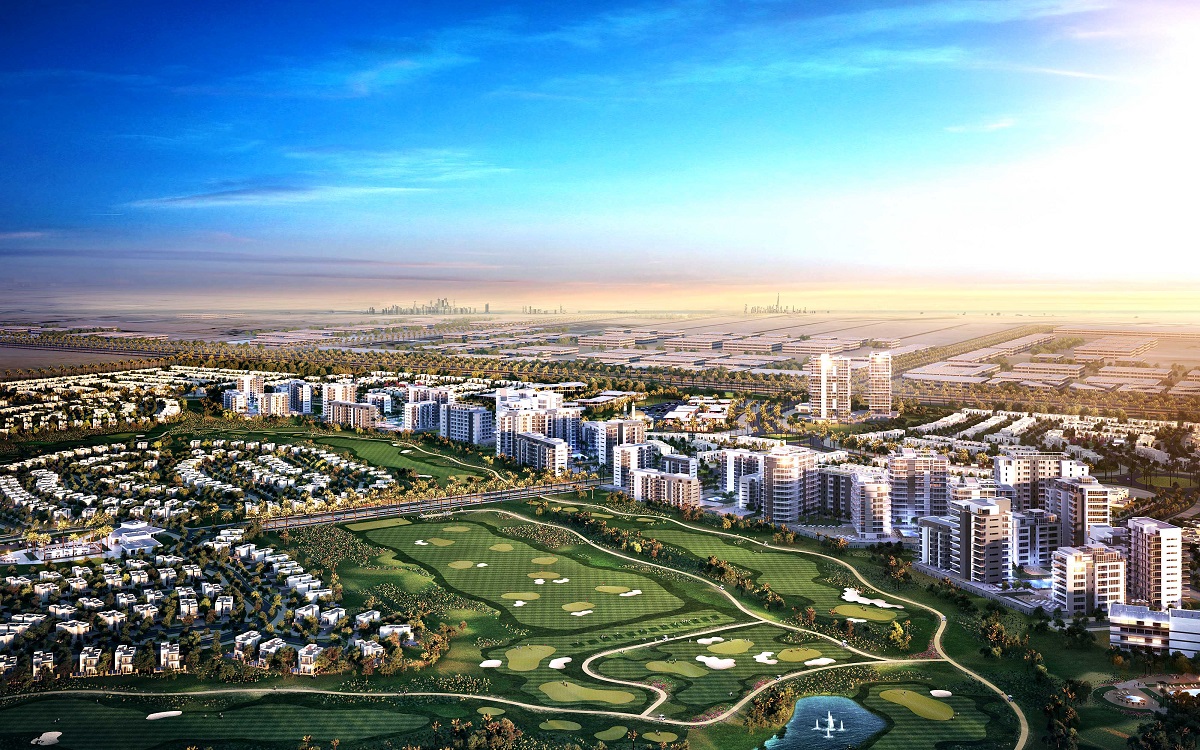
Residential communities in Dubai often provide a wide range of shared amenities. These can improve your lifestyle and make the property more appealing for future tenants or buyers.
Look for facilities such as:
- Swimming pools
- Fitness centres
- Landscaped parks
- Walking and cycling tracks
- Children’s play areas
- Sports courts
- Community retail outlets
- Cafes and restaurants
- Mosques and healthcare facilities
- Security and controlled access
Choose amenities that match your actual needs. A family with children may value parks and schools, while a young professional may prefer fitness facilities, dining options, and transport links.
Select a Property Type That Matches Your Lifestyle
Dubai provides multiple residential property choices. The right option depends on your household size, lifestyle, budget planning, privacy expectations, and maintenance preferences.
Apartments
Apartments are ideal for buyers looking for convenience, building facilities, and a relatively low-maintenance lifestyle. They are commonly available in central locations and mixed-use communities.
Apartments may suit:
- Singles and young professionals
- Couples
- First-time property buyers
- Investors seeking rental demand
- Buyers who prefer city living
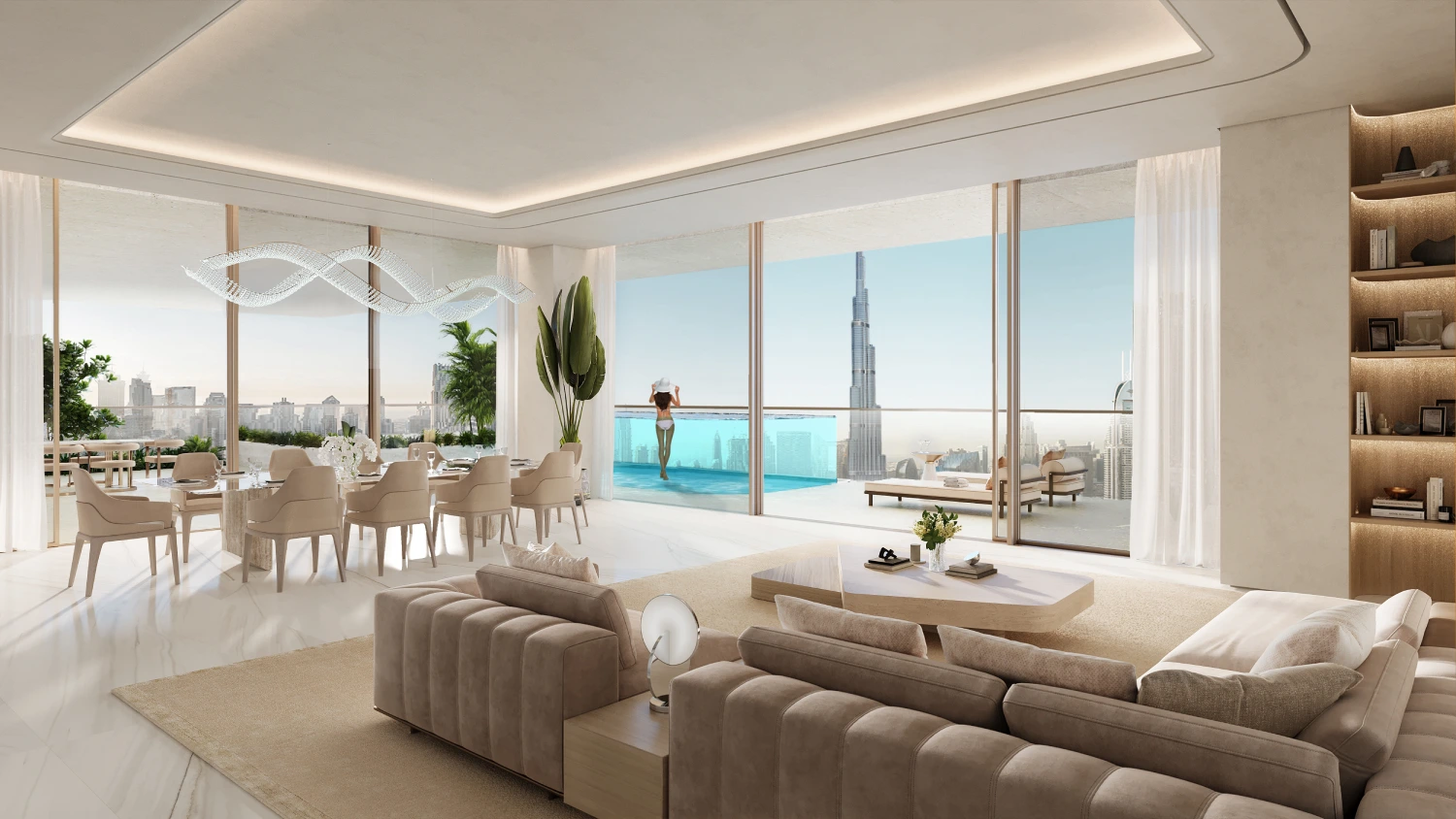
When selecting an apartment, assess the floor plan, balcony size, natural light, views, parking, lift access, building condition, and common-area maintenance.
Townhouses
Townhouses offer more space than apartments while often remaining within community environments. They usually include multiple bedrooms, private outdoor areas, and family-friendly surroundings.
They can be a strong choice for growing families who want space without the larger maintenance responsibilities associated with detached villas.
Villas
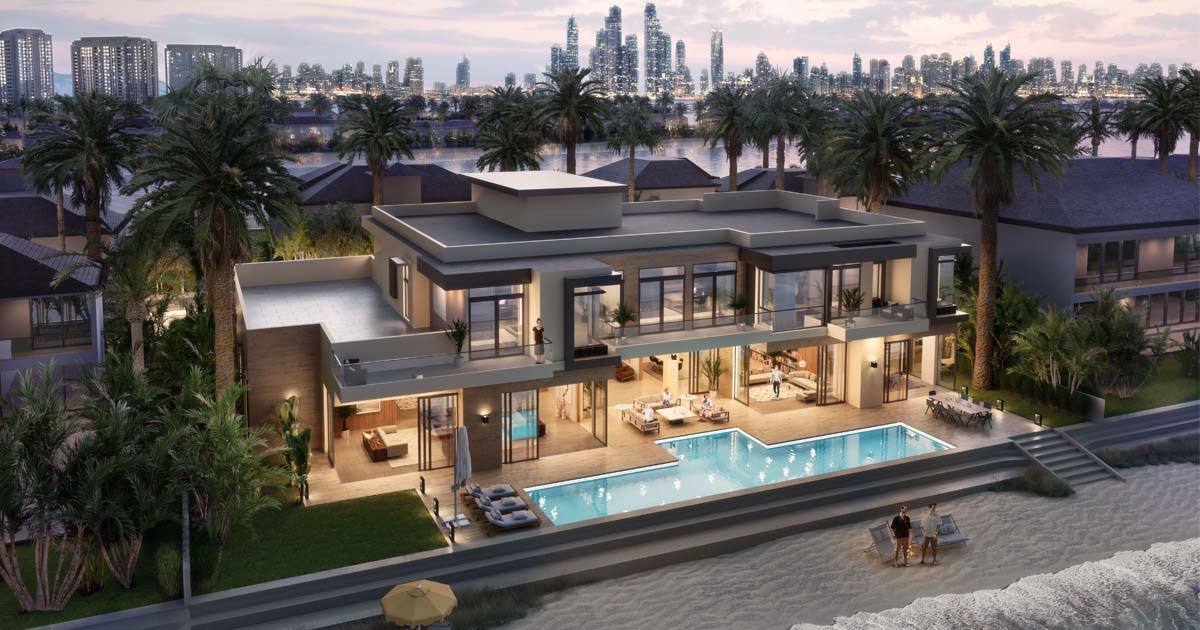
Villas provide privacy, larger layouts, private gardens, and an independent living experience. They are suitable for buyers who value space, private parking, and a quieter lifestyle.
However, buyers should also consider maintenance needs, plot size, landscaping costs, and the overall quality of the community infrastructure.
Check the Developer’s Reputation and Project Quality
For off-plan properties, the developer’s reputation is especially important. Research their completed projects, construction quality, delivery history, customer service, and community management standards.
A reliable developer can offer greater confidence in project execution, design quality, and future market perception.
What to Review Before Choosing a Developer
Before committing to a property, review:
- Previous developments and delivered projects
- Quality of finishes and materials
- Construction progress on current projects
- Community design and master plan
- After-sales support
- Maintenance and facility management
- Reputation among existing homeowners
- Project documentation and approvals
If possible, visit completed properties by the same developer. This gives you a clearer view of the actual construction quality, lobby design, landscaping, parking arrangement, and property maintenance.
Understand the Layout, Size, and Usable Space
A large advertised size does not always mean the property will feel spacious. Pay attention to the actual layout and usable area rather than relying only on the total square footage.
A well-designed two-bedroom apartment can feel more practical than a larger apartment with long corridors, wasted corners, or small bedrooms.
Evaluate the Floor Plan Carefully
When reviewing the layout, consider:
- Bedroom dimensions
- Storage availability
- Kitchen placement and size
- Balcony accessibility
- Living and dining area flow
- Natural light and ventilation
- Bathroom layout
- Privacy between bedrooms
- Space for furniture and daily living
Think about how you will use the home. Check whether the living area can comfortably accommodate your furniture, whether bedrooms fit the required beds and wardrobes, and whether there is enough storage for your household.
Compare Ready and Off-Plan Residential Properties
Dubai offers both ready properties and off-plan opportunities. Each option has different benefits depending on your objective and timeline.
Ready Properties
A ready property allows you to inspect the completed home, building, and community before making a decision. You can see the exact view, layout, finishing quality, and surrounding environment.
Ready homes may be suitable for buyers who want to move in soon or begin renting the property without waiting for construction completion.
Off-Plan Properties
Off-plan properties are purchased during the construction phase. They may offer modern designs, newly planned facilities, and flexible payment structures.
However, buyers should carefully review the project timeline, developer reputation, payment terms, handover expectations, and community master plan before proceeding.
Review Ownership, Documents, and Legal Details
Legal clarity is essential when buying a residential property in Dubai. Buyers should understand the ownership type, registration process, property documentation, and any obligations connected to the purchase.
Freehold areas allow eligible buyers to own property rights in designated locations. It is important to verify all documents and work with qualified professionals throughout the transaction.
Important Details to Confirm
Before finalising a residential property, check:
- Title deed or ownership documentation
- Project registration details for off-plan units
- Payment schedule and contract terms
- Service charges
- Handover date, if applicable
- Parking allocation
- Any restrictions or community rules
- Maintenance responsibilities
- NOC requirements for resale properties
Never rely only on verbal promises. Ensure that all important terms, included features, and payment commitments are properly documented.
Consider Long-Term Value and Resale Potential
Even if you are buying a home for personal use, it is wise to consider its future resale appeal. Your lifestyle needs may change over time, and a property with strong market appeal can provide more flexibility later.
Properties with convenient access, established amenities, practical layouts, quality maintenance, and desirable community features are often more attractive to future buyers and tenants.
Features That Can Improve Future Demand
Look for properties with:
- Good connectivity to key destinations
- Close access to metro stations or major roads
- High-quality community facilities
- Functional layouts
- Natural light and attractive views
- Reliable building maintenance
- Nearby retail, schools, and healthcare
- Secure parking
- Established or well-planned surroundings
Avoid selecting a property based only on a temporary trend. Focus on practical features that remain valuable over the long term.
Inspect the Property and Community Personally
Online listings, brochures, and virtual tours are helpful, but they should not replace an in-person visit. Inspect the property carefully and spend time walking around the community.
Visit during the day and evening if possible. This can help you understand noise levels, traffic, lighting, building access, parking availability, and the general atmosphere.
Questions to Ask During a Viewing
Ask about:
- Property age and maintenance history
- Service charges and what they include
- Parking spaces
- Building management
- Nearby construction activity
- Community rules
- Building occupancy levels
- Facilities access
- Water pressure, air conditioning, and utility systems
- Future development plans in the area
A thorough viewing helps you avoid surprises after the purchase.
Conclusion
Knowing how to choose residential property in Dubai involves more than selecting a home that looks attractive. Buyers should assess their purpose, preferred location, community amenities, property type, developer quality, legal documents, layout, and future resale potential. Taking time to compare the right details can lead to a more secure and satisfying property decision. For personalised support in finding a home that suits your goals, connect with Kaysan Properties.
Frequently Asked Questions
1. What should I consider before buying residential property in Dubai?
Consider your purpose for buying, preferred location, property type, layout, community facilities, developer reputation, legal documents, and future resale potential.
2. Is it better to buy an apartment, townhouse, or villa in Dubai?
It depends on your lifestyle. Apartments suit buyers seeking convenience, townhouses offer family space, and villas provide greater privacy and outdoor areas.
3. How do I choose the best area to live in Dubai?
Choose an area based on commute time, school access, nearby facilities, road connectivity, lifestyle preferences, community environment, and future development plans.
4. Should I inspect a property before buying it?
Yes. A physical inspection helps you assess the layout, view, building condition, parking, maintenance quality, noise levels, and surrounding community.
5. Why is developer reputation important when buying off-plan property?
A reputable developer offers greater confidence in construction quality, project delivery, documentation, community planning, and the long-term value of the property.