Dubai Long-Term Investment Properties
Dubai Long-Term Investment Properties
Dubai has evolved into one of the world’s most compelling property investment destinations. Its strong infrastructure, international lifestyle, growing population, investor-friendly regulations and continuous development make it attractive for buyers seeking more than a short-term opportunity. For investors focused on stability, rental income and future capital growth, Dubai Long-Term Investment Properties can offer a practical way to build a resilient real estate portfolio.
Unlike speculative buying, long-term property investment is based on choosing the right location, property type, developer quality and market demand. The goal is not simply to buy a home; it is to own an asset that remains desirable to tenants and future buyers over many years. Dubai offers this potential through established communities, emerging master-planned areas and high-quality off-plan developments.
Why Dubai Is Suitable for Long-Term Property Investment
Dubai’s real estate market is supported by more than luxury towers and attractive architecture. The city continues to invest in transport, tourism, business districts, healthcare, education and lifestyle destinations. These factors help create sustained demand for residential property.
Dubai is also a global city with a diverse population. Professionals, entrepreneurs, families, investors and high-net-worth individuals relocate to Dubai for career opportunities, business growth and lifestyle benefits. This steady demand supports both rental occupancy and resale potential in well-selected communities.
For long-term investors, the key advantage is Dubai’s ability to combine lifestyle appeal with a business-focused economy. Properties near employment hubs, schools, retail centres, beaches, metro connections and major road networks often remain relevant as the city develops.
What Makes a Good Long-Term Investment Property in Dubai?
A good long-term investment is not always the newest or largest property. It is a property that can continue meeting market demand over time. Before selecting Dubai long-term investment properties, investors should assess the following factors:
- Location and accessibility
- Developer reputation and build quality
- Demand from tenants and end users
- Community amenities and lifestyle facilities
- Future infrastructure and area development
- Service charges and maintenance standards
- Property layout, natural light and usable space
- Potential for rental income and capital appreciation
A property in a growing community may offer long-term potential, while a home in an established area may provide more predictable rental demand. The best decision depends on the investor’s goals, holding period and preferred risk level.
Established Communities for Stable Demand
Established residential communities are often ideal for investors seeking consistency. These areas already have developed roads, retail spaces, schools, parks, healthcare facilities and an active resident population. Buyers can better understand tenant demand, property preferences and the overall lifestyle experience.
Communities such as Downtown Dubai, Dubai Marina, Business Bay, Jumeirah Village Circle, Dubai Hills Estate and Arabian Ranches are widely recognised for their residential appeal. Each attracts a different type of buyer or tenant, from young professionals and international executives to families looking for larger homes and green surroundings.
Investors should look beyond a community’s name and study the specific building or cluster. A property close to daily conveniences, public transport or a well-maintained park may perform better than another property in the same district.
Emerging Areas with Future Growth Potential
Dubai’s expansion continues to create new long-term investment opportunities. Master-planned areas with upcoming infrastructure, retail destinations, schools and lifestyle facilities can be attractive for buyers prepared to hold property through the next phase of development.
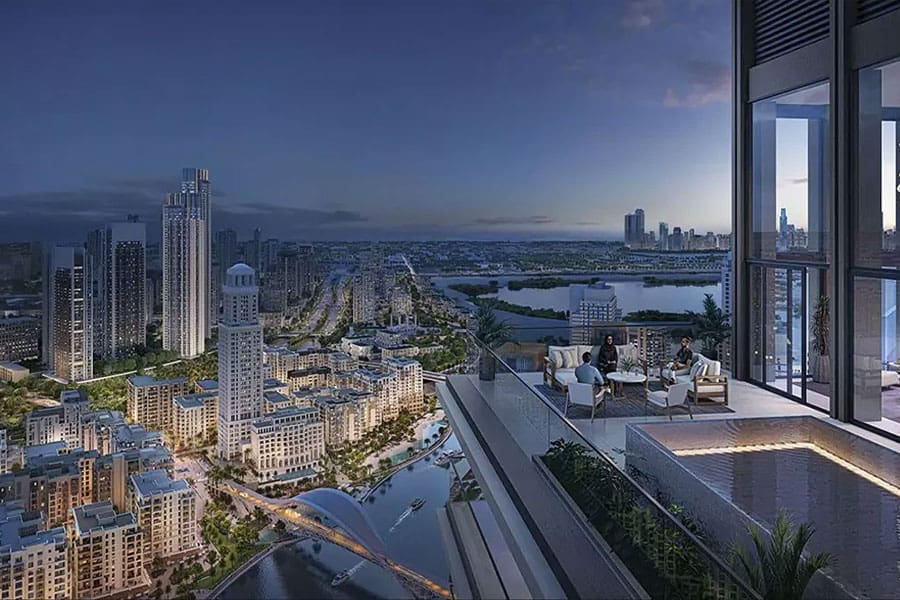
Dubai Creek Harbour, Dubai South, Dubai Islands and selected areas within Dubailand are examples of locations that may appeal to long-term investors. These communities are designed around future living, with a focus on connectivity, open spaces, waterfront settings, mixed-use development and modern amenities.
When considering an emerging area, investors should research the master plan, developer track record and timeline for key facilities. It is important to understand whether the community will offer practical day-to-day convenience once residents move in. Long-term value is often linked to how well a location functions as a real place to live, not only how it appears in a launch brochure.
Apartments, Townhouses or Villas: Choosing the Right Property Type
Apartments remain a popular choice for long-term investors because they often attract a large tenant base. Studios, one-bedroom and two-bedroom apartments can appeal to professionals, couples and smaller families, especially when located near business hubs, metro stations and lifestyle destinations.
Townhouses can be suitable for investors targeting families who want more space, private outdoor areas and community amenities. These homes are often attractive in master-planned developments with schools, parks, swimming pools and retail facilities nearby.
Villas may suit investors seeking premium tenants and a longer holding strategy. Demand for quality family villas can remain strong in established communities, particularly where privacy, larger layouts and green surroundings are valued. The best property type depends on the intended tenant profile and investment objective.
The Importance of Developer Quality
Developer quality plays a major role in the long-term performance of a property. A reputable developer is more likely to deliver a well-planned community, maintain construction standards and create projects that remain attractive after handover.
Investors should review the developer’s completed projects, delivery history, design approach and reputation for maintenance. Strong property management and common-area upkeep can influence rental demand, resident satisfaction and future resale value.
A beautifully designed apartment can lose appeal if the building is poorly maintained. Conversely, a well-managed property in a good location can continue attracting tenants and buyers over time.
Long-Term Rental Potential in Dubai
Rental income is an important part of many property investment strategies. Dubai’s population growth and international workforce create ongoing demand for quality homes across different price segments. However, rental performance varies based on location, unit type, building condition and available amenities.
To improve long-term rental potential, investors should focus on practical features such as:
- Efficient layouts with comfortable living spaces
- Parking availability and building security
- Proximity to employment areas and transport links
- Family-friendly facilities where relevant
- Modern kitchens, storage and high-quality finishes
- Access to supermarkets, restaurants and leisure spaces
Properties that are easy to live in are easier to rent. While views and design may attract attention, convenience and comfort usually play a larger role in tenant retention.
Building a Long-Term Investment Strategy
Successful investors usually take a disciplined approach. Instead of making decisions based only on market excitement, they define their objective before buying. Some investors focus on consistent rental income, while others prefer areas with future capital appreciation potential. Many choose a balanced strategy that includes both.
A long-term approach may involve holding the property through different market cycles, maintaining it well and reviewing rental positioning regularly. Investors should also consider ownership costs, service charges, financing structure and expected holding period before committing.
Diversification can also be useful. For example, an investor may combine an apartment in a central business location with a townhouse in a family-oriented community. This can help balance exposure across different tenant groups and market segments.
Conclusion
Dubai continues to offer a strong environment for investors who think beyond short-term trends. By choosing the right location, quality developer, practical layout and demand-driven community, investors can position themselves for sustainable rental appeal and long-term value. The most successful approach is to research carefully, set clear objectives and select a property that aligns with the city’s future growth. For professional guidance in identifying suitable Dubai Long-Term Investment Properties, connect with Kaysan Properties.
Frequently Asked Questions
1. Are Dubai long-term investment properties suitable for overseas buyers?
Yes. Dubai has a well-established market for international buyers, with many freehold communities where eligible foreign investors can purchase property.
2. Which property type is best for long-term investment in Dubai?
Apartments, townhouses and villas can all be suitable. The best choice depends on your investment goal, target tenant and preferred location.
3. What should I check before investing in a Dubai property?
Review the location, developer reputation, community facilities, property layout, service charges, demand and future development plans.
4. Is an off-plan property good for long-term investment?
Off-plan property can be suitable when it is developed by a reputable developer in a well-planned location with strong future demand.
5. How can I improve rental demand for my Dubai investment property?
Choose a convenient location, maintain the property well, offer a practical layout and ensure it meets the needs of your target tenant group.